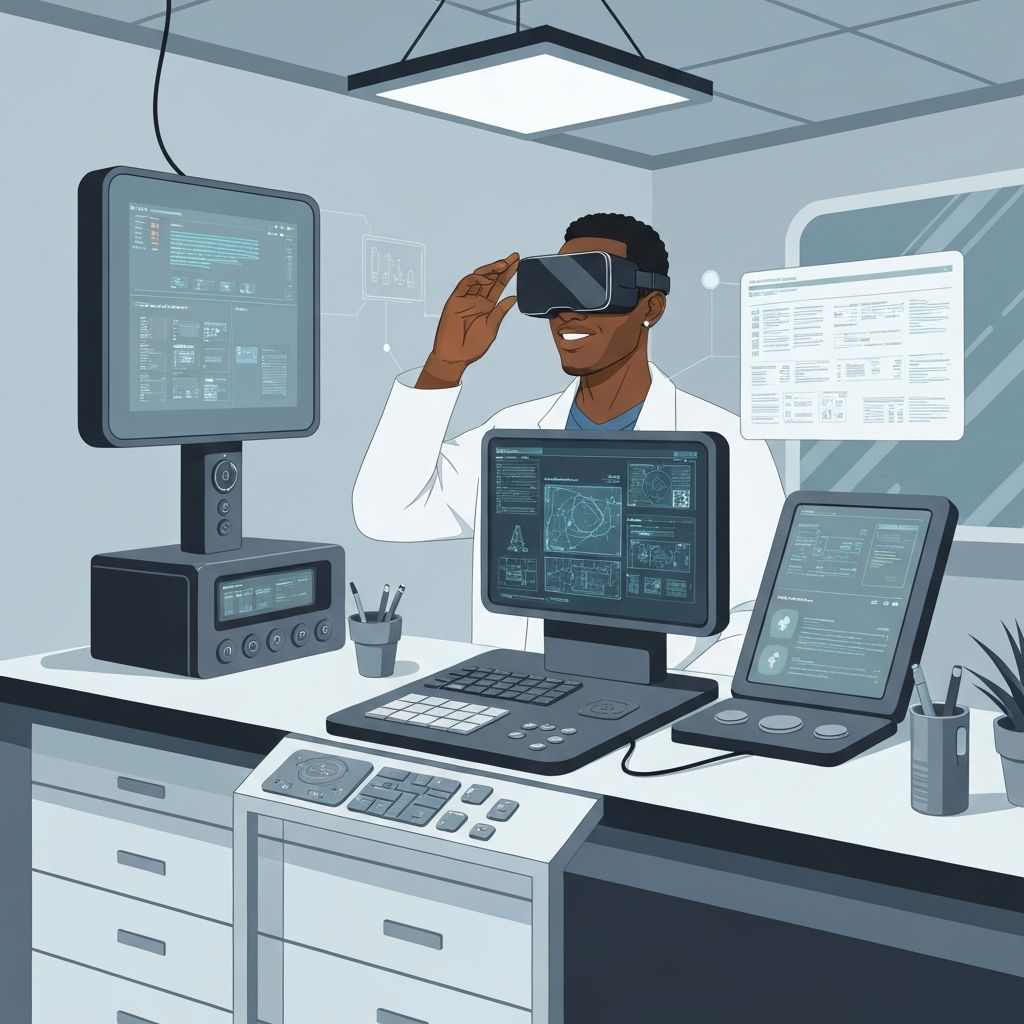
Artificial intelligence is no longer a futuristic concept for healthcare staffing—it's becoming essential to staying competitive. Healthcare organizations are increasingly leveraging AI and data analytics to transform how they recruit, schedule, and retain clinical staff.
The applications are diverse and impactful. AI-powered platforms can analyze thousands of candidate profiles in seconds, matching qualifications, certifications, and experience to specific role requirements with remarkable accuracy. Predictive analytics help administrators anticipate staffing needs based on patient census patterns, seasonal trends, and even local events that might impact hospital admissions.
Beyond recruitment, AI is revolutionizing workforce scheduling. Smart scheduling systems consider employee preferences, skill mix requirements, overtime costs, and regulatory compliance to create optimized staffing plans. These tools can predict call-offs before they happen based on historical patterns, allowing proactive coverage solutions.
Chatbots and virtual assistants handle initial candidate screening and frequently asked questions 24/7, freeing recruiters to focus on relationship-building and complex negotiations. Some systems even analyze voice patterns and language during interviews to assess cultural fit and communication skills.
For healthcare workers, AI isn't about replacement—it's about empowerment. By automating administrative burden like credential tracking and compliance documentation, nurses and clinicians can focus on what they do best: providing exceptional patient care. This is particularly important given ongoing staffing challenges.
The message is clear: healthcare organizations that embrace AI and automation thoughtfully will have a significant competitive advantage in attracting and retaining talent. The key is viewing technology as a tool to enhance human capabilities, not replace the essential human touch in healthcare delivery.