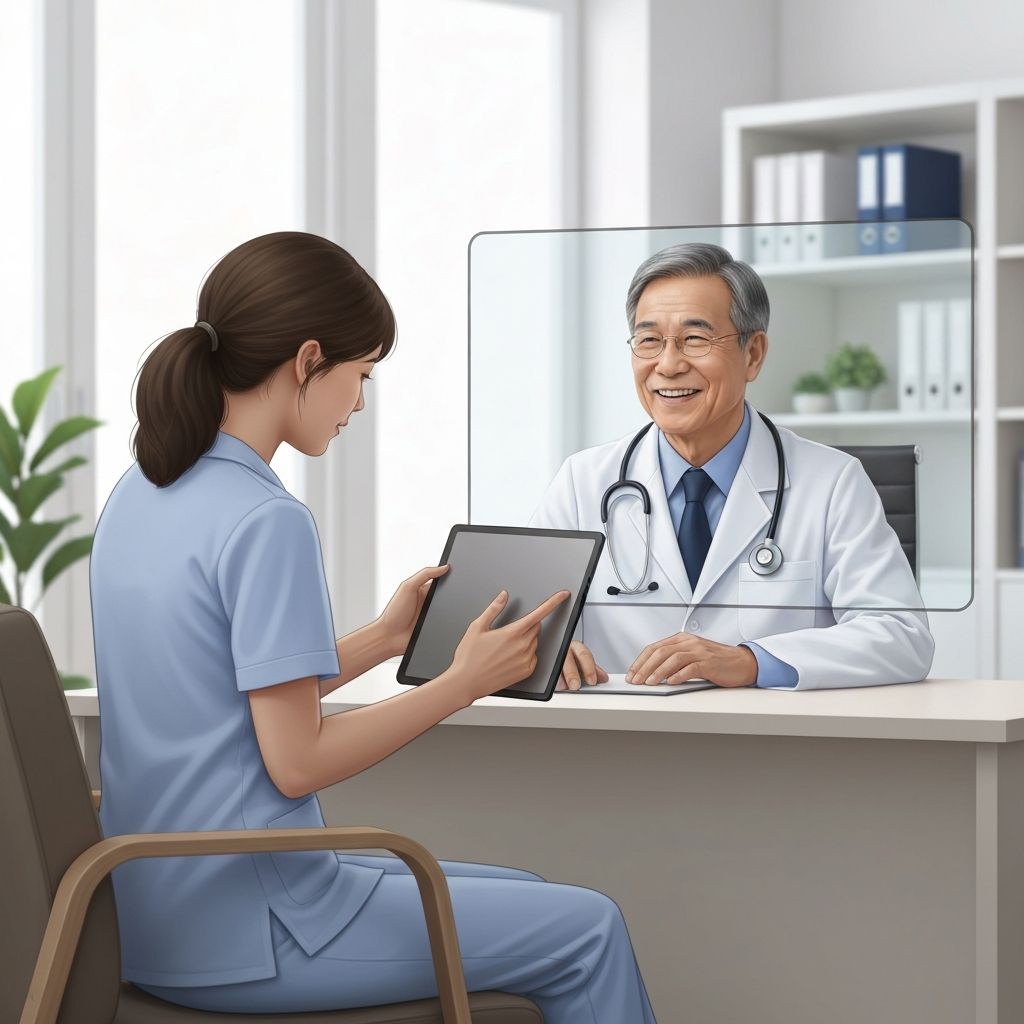
Telehealth's explosive growth during the pandemic has evolved into a permanent fixture of healthcare delivery, creating new staffing opportunities and challenges. Understanding this landscape helps both facilities and healthcare workers capitalize on virtual care's potential.
The demand for telehealth-skilled clinicians continues to grow. Virtual visits require different competencies than in-person care: comfort with technology, strong communication skills for video interactions, and the ability to conduct effective assessments remotely. Facilities are increasingly seeking clinicians with demonstrated telehealth experience.
For healthcare workers, telehealth offers compelling flexibility. Remote positions allow nurses and other clinicians to work from home, eliminating commutes and offering schedule options that traditional bedside roles cannot match. This is particularly attractive for experienced nurses seeking to extend their careers without the physical demands of floor nursing.
Healthcare facilities benefit from expanded geographic reach. A telehealth program can connect patients in rural areas with specialists who would otherwise be inaccessible. It can extend care hours without requiring on-site staffing. And it can help manage patient volumes by handling appropriate cases virtually.
Staffing telehealth programs requires thoughtful planning. Not every clinician thrives in virtual environments—some prefer the hands-on nature of in-person care. Training programs should address both technical skills and virtual communication techniques. Quality monitoring and patient satisfaction tracking help ensure telehealth care meets organizational standards.
Regulatory considerations remain complex. Licensure requirements for telehealth vary by state, and the patchwork of rules creates compliance challenges. The Interstate Medical Licensure Compact and Nurse Licensure Compact help, but facilities must still navigate varying requirements.
Hybrid models are emerging as a sweet spot—clinicians working some shifts virtually and some in-person. This provides flexibility while maintaining connection to the facility and in-person care skills.
The organizations succeeding with telehealth staffing are those viewing it as a permanent capability, not a pandemic stopgap, and investing accordingly in technology, training, and talent.